Hey there, fellow wanderlusters! If you're scrolling through your feed, dreaming of distant mountains and uncharted trails, you might have stumbled upon a question: Can you travel to Maoxian? Well, let’s cut straight to the chase—not only can you, but you absolutely should. Nestled in the heart of Sichuan, Maoxian (or茂县) is one of those places that doesn’t shout for attention but whispers an invitation to those willing to listen. And trust me, once you’re there, you’ll wonder why it wasn’t on your radar sooner.
.jpg "Can You Travel to Maoxian?A Hidden Gem in Sichuans Majestic Landscape-第1张图片-阿坝旅游网")
Now, I know what you might be thinking: “Isn’t Sichuan all about Chengdu’s pandas or Ganzi’s epic high-altitude vistas?” Sure, those spots are stunning, but Maoxian? It’s like stumbling upon a secret chapter in a well-loved book. Tucked away in the Ngawa Tibetan and Qiang Autonomous Prefecture, this county is a blend of rugged terrain, deep cultural roots, and a vibe that’s just... real. No flashy tourist traps here—just raw, unfiltered beauty.
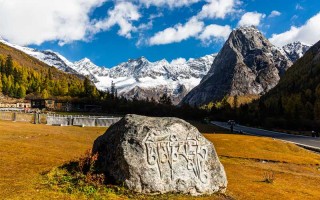
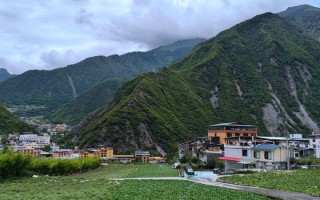
First off, let’s talk geography. Maoxian sits in a transitional zone where the Chengdu Basin meets the soaring Tibetan Plateau. That means you get these dramatic landscapes without having to battle extreme altitudes constantly. Think emerald valleys carved by the Min River, terraced fields clinging to hillsides, and villages dotted with traditional Qiang stone watchtowers. It’s a photographer’s dream, honestly. One minute you’re driving through a lush gorge, and the next, you’re gazing up at snow-dusted peaks. The air smells of pine and earth, and the silence? It’s the kind that fills your soul.
But here’s the thing—Maoxian isn’t just about pretty views. It’s a living tapestry of cultures. The Qiang people, one of China’s oldest ethnic groups, call this place home. Their history is etched into every stone wall and echoed in every folk song. Wander through villages like Taoping or Suopo, and you’ll see those ancient watchtowers, some dating back over a thousand years. They’re not just relics; they’re part of daily life. I remember chatting with a local elder in Taoping (with lots of hand gestures and smiles, since my Qiang is nonexistent). He showed me how they still use the towers for storage and gatherings. There’s a resilience in these /munities that’s downright inspiring.
.jpg "Can You Travel to Maoxian?A Hidden Gem in Sichuans Majestic Landscape-第2张图片-阿坝旅游网")
And oh, the festivals! If you time your visit right, you might catch the Qiang New Year or the Mountain Worship ceremonies. It’s a burst of color, music, and dance—everyone in intricate embroidered attire, beating drums, and sharing homemade barley wine. Even if you’re just a bystander, the energy pulls you in. You’ll leave with a belly full of zana (a local buckwheat noodle dish) and a heart full of memories.
Practical stuff? Yeah, let’s get into it. Getting to Maoxian is easier than you’d guess. From Chengdu, it’s about a 3-4 hour drive by bus or car. The roads are decent, though be ready for some winding mountain passes—don’t say I didn’t warn you! Once there, ac/modation ranges from simple guesthouses to cozy homestays. I’d totally re/mend a homestay; waking up to a view of misty valleys and sharing a meal with a Qiang family is worth every penny.
Seasons matter here. Spring and autumn are golden—mild weather, blooming flowers, or fiery foliage. Summer brings lush greens but also occasional rain, while winter can be chilly, though quieter. Just pack layers; the weather has a mind of its own sometimes.
.jpg "Can You Travel to Maoxian?A Hidden Gem in Sichuans Majestic Landscape-第3张图片-阿坝旅游网")
A few highlights you can’t miss:
- Taoping Qiang Village: A fortress-like settlement that feels frozen in time. Get lost in its maze of alleys.
- Miansi Valley: Hike along crystal-clear streams and past waterfalls—it’s like stepping into a fantasy novel.
- Local markets: Snag handwoven textiles or sample wild honey. The walnuts? Incredible.
Now, to address the elephant in the room: safety and accessibility. After the 2008 earthquake, Maoxian rebuilt with care. Infrastructure is solid, and the locals are wel/ing. English isn’t widely spoken, so brush up on basic Mandarin or embrace the universal language of smiles. It’s safe for solo travelers, though having a buddy always adds fun.
So, back to that initial question: Can you travel to Maoxian? Absolutely. It’s for the curious souls who crave more than just a checklist destination. It’s for those who want to feel the texture of history, taste authenticity, and disconnect to reconnect. In a world where every corner seems Instagram-famous, Maoxian remains humble, waiting to be discovered.
Grab your backpack, ditch the crowds, and let this hidden gem surprise you. After all, the best stories aren’t found on the main road—they’re tucked away in places like Maoxian. See you on the trail!
标签: 可不可以去茂县旅游呢英语